Presented at the American Heart Association Scientific Sessions 2025 (AHA25) by researchers from Juntendo University (Tokyo, Japan), the AI-SCREEN-CA study evaluated the real-world performance of artificial intelligence for detecting hidden cases of cardiac amyloidosis (CA) from routine echocardiograms.
Background
Cardiac amyloidosis has long been considered rare, yet growing evidence shows that many patients with cardiovascular disease may unknowingly harbor the condition.
With effective treatments now available, early and accurate detection is increasingly critical.
While echocardiography remains a cornerstone for CA screening, its findings are often non-specific, and advanced strain analysis can be time-consuming and impractical in routine care.
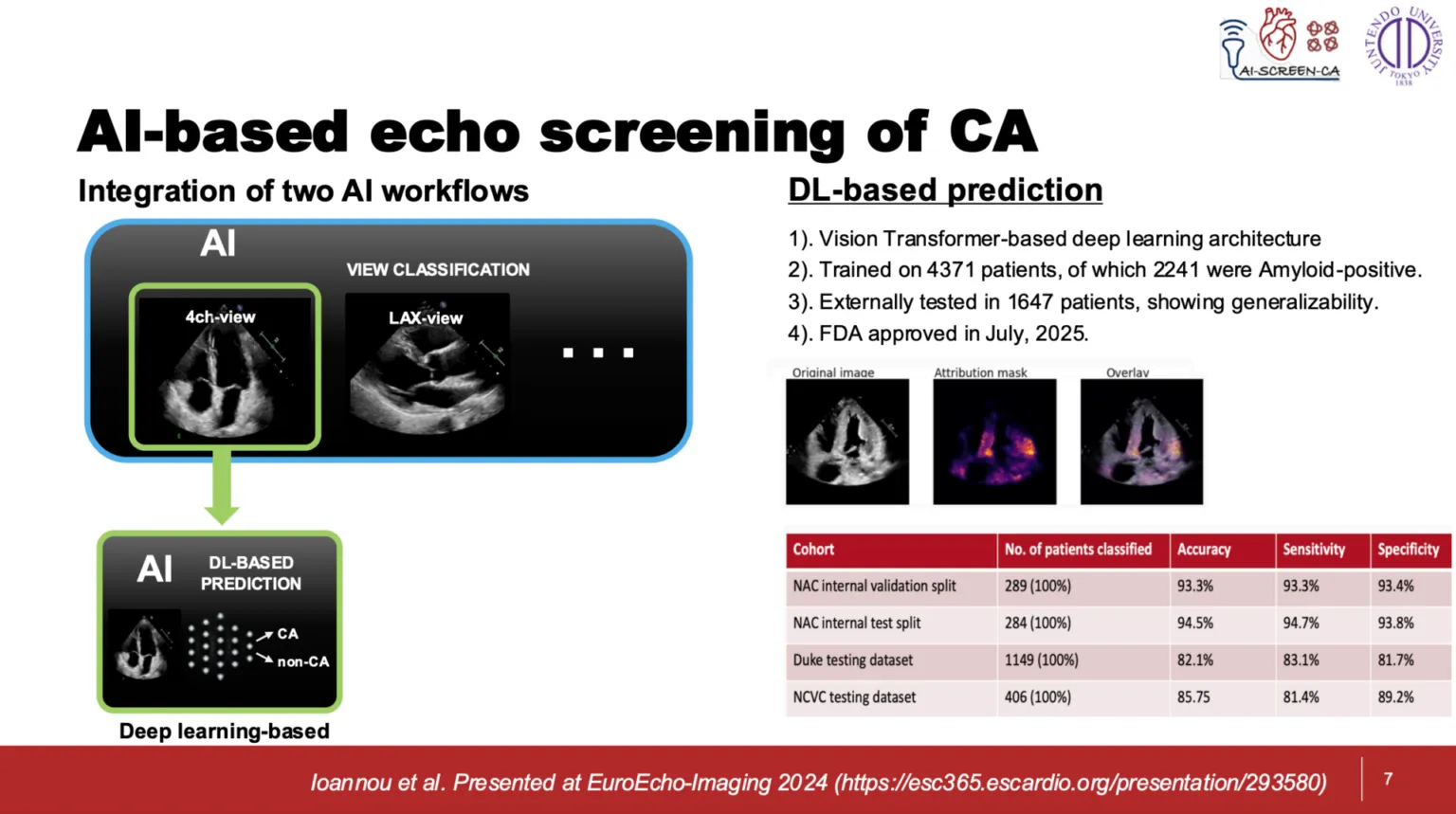
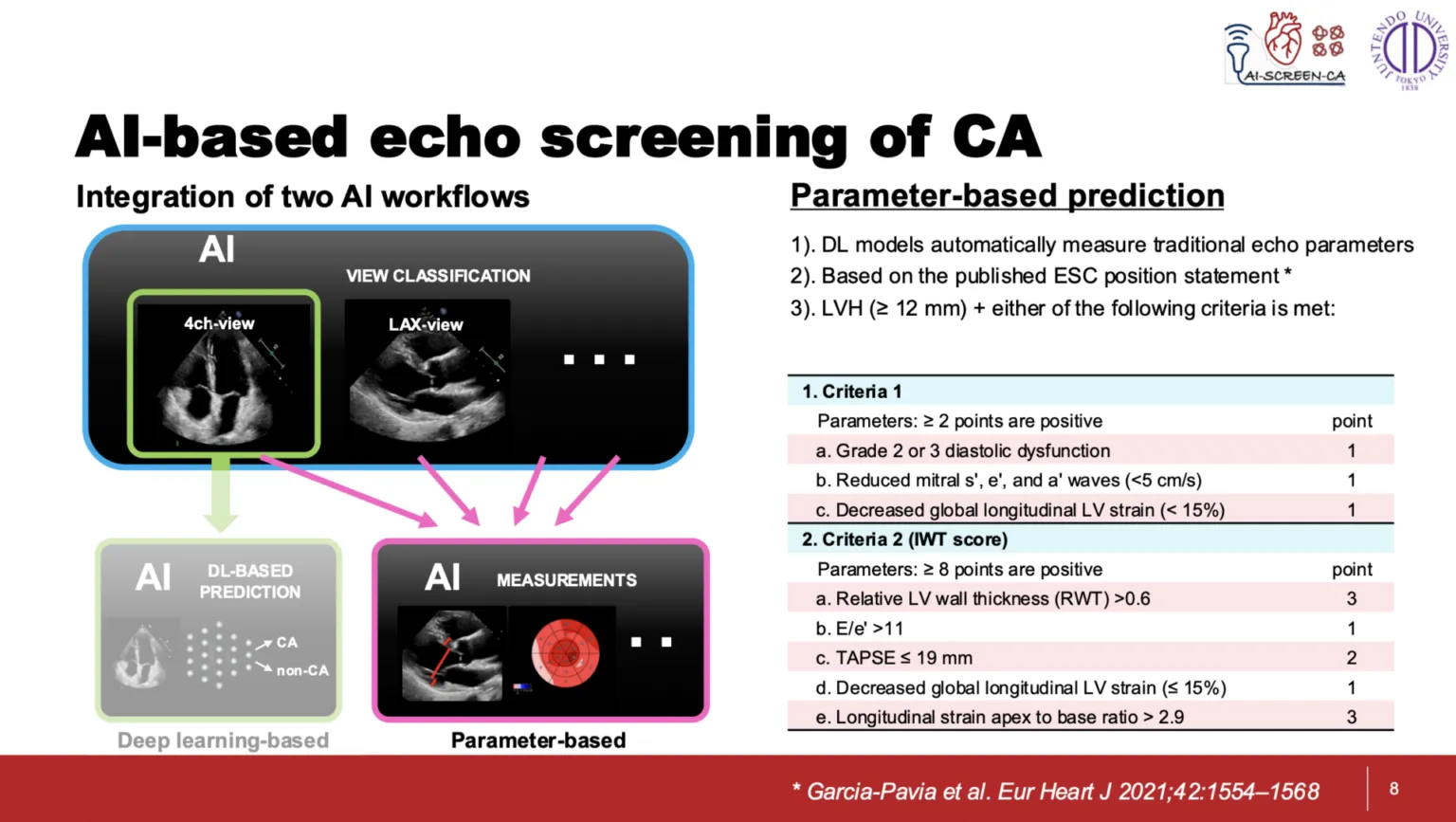
The AI-SCREEN-CA study explored whether combining Us2.ai's fully explainable automated CA reporting based on international clinical guidelines (Parameter-based) and AI-based pattern recognition analysis (DL-based prediction) could automate and improve CA screening accuracy at scale.
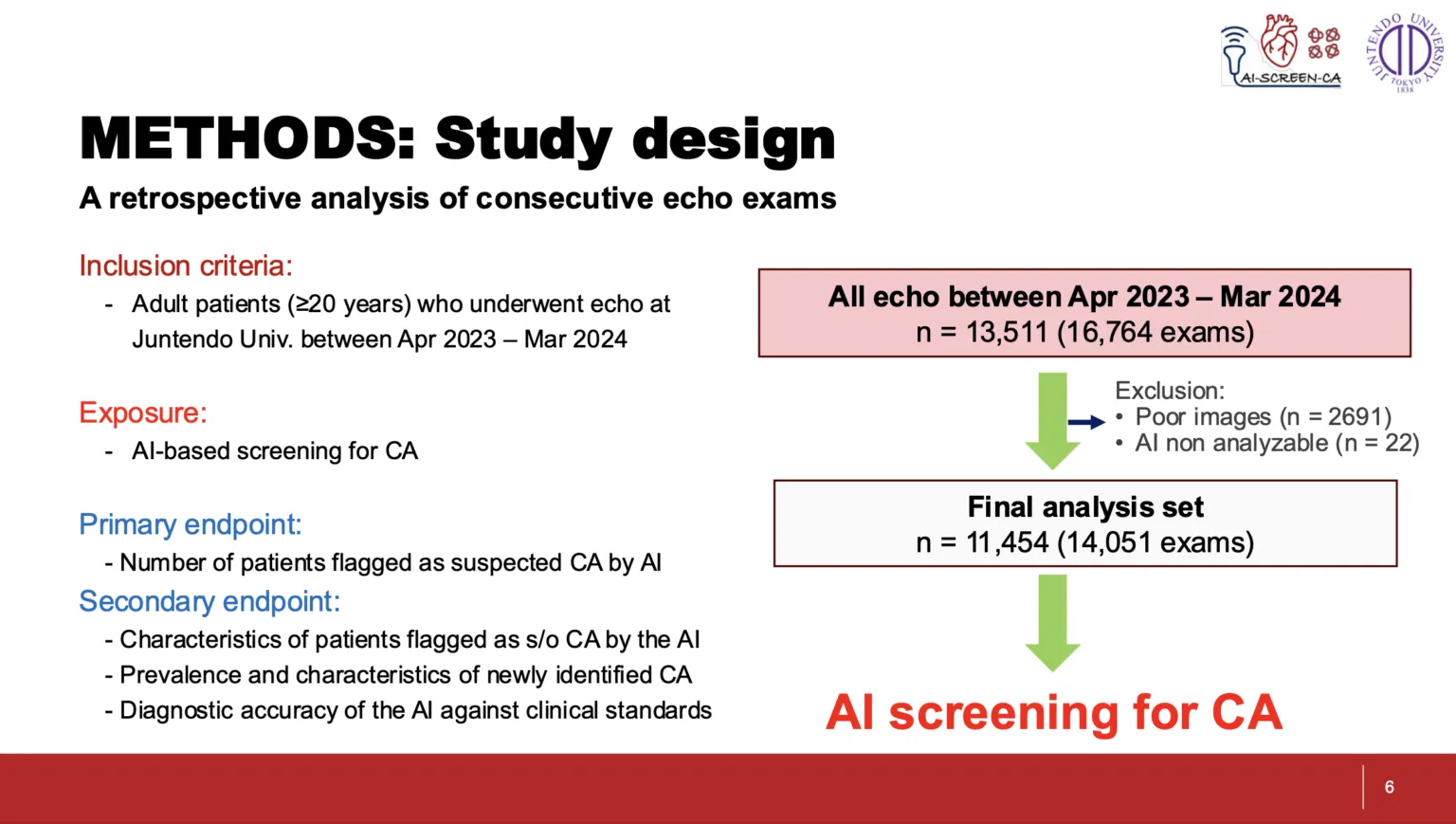
Methods: Study Design
Study objective: To determine the diagnostic performance of AI in identifying known and hidden cases of cardiac amyloidosis in a real-world clinical setting.
Key Findings
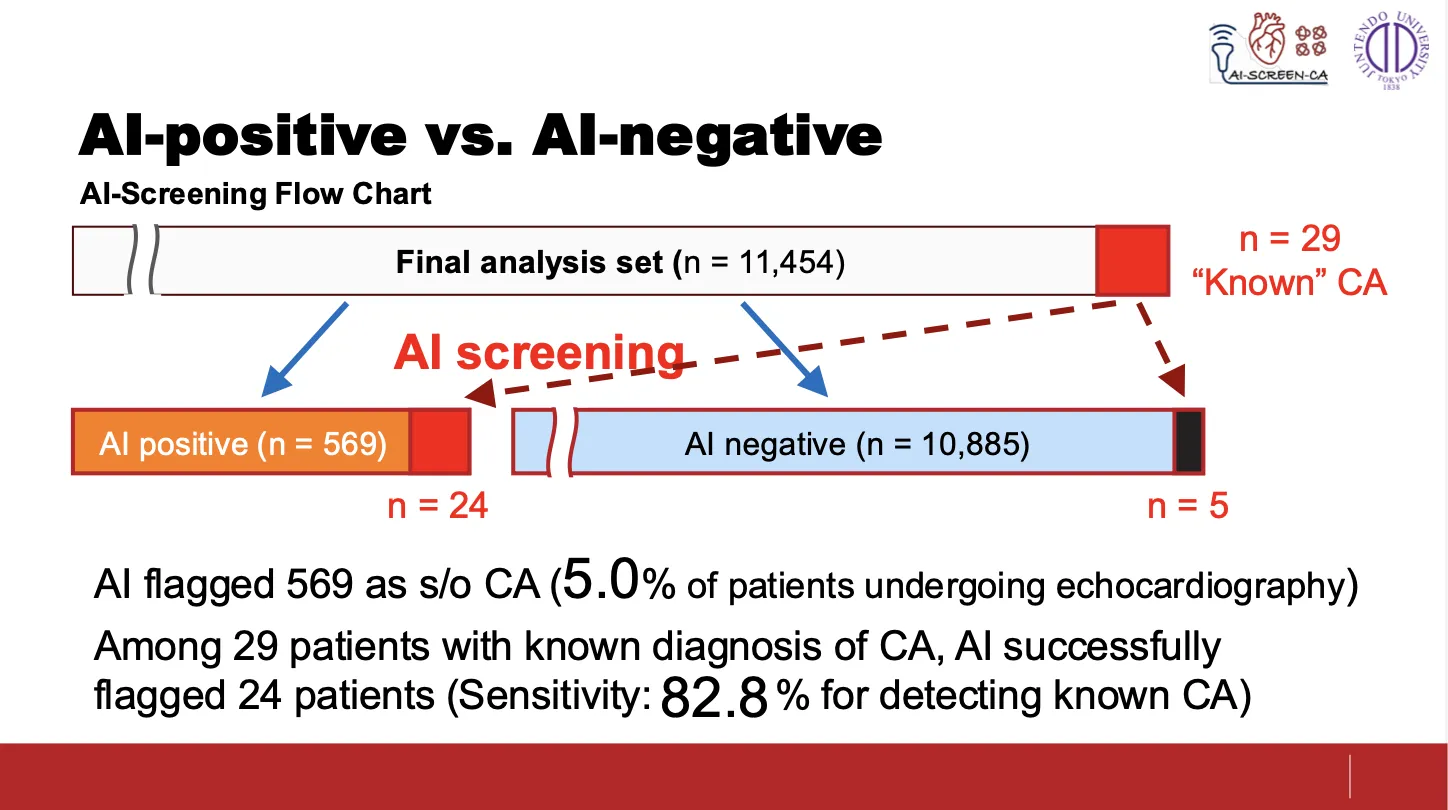
- Among those with known CA, the AI correctly identified 82.8% of cases (sensitivity).
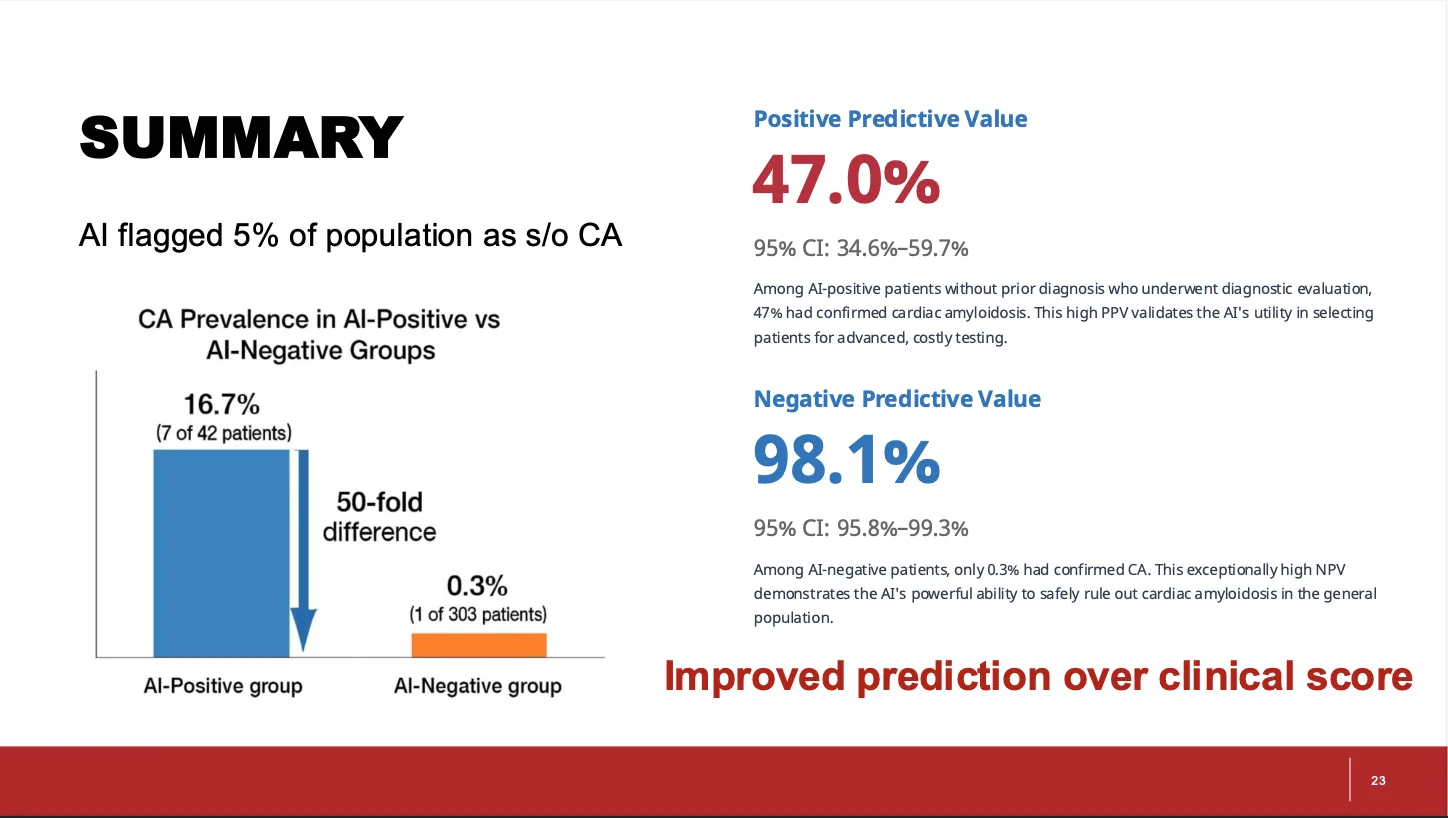
- Among newly evaluated AI-positive patients, 47% were confirmed CA (positive predictive value 47%; 95% CI: 34.6–59.7).
- Negative predictive value: 98.1%, meaning only 0.3% of AI-negative patients had CA.
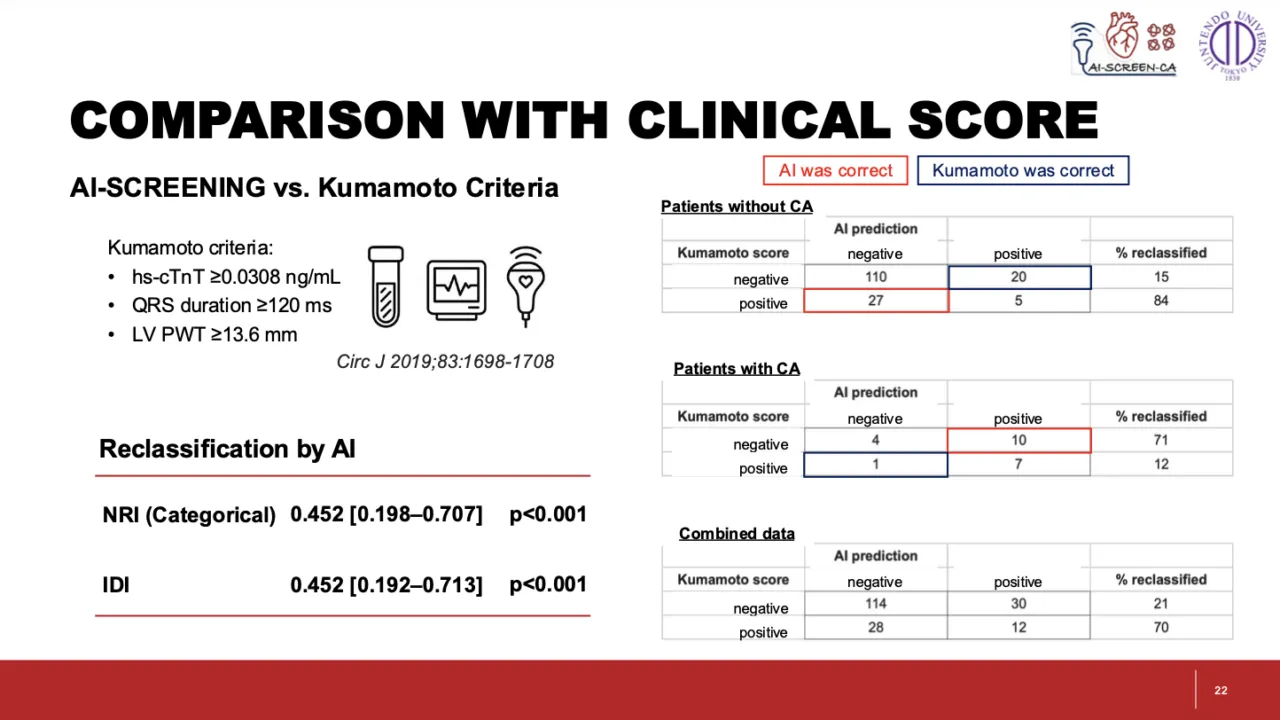
- AI Screening outperformed traditional Kumamoto criteria for CA screening.
Clinical Significance
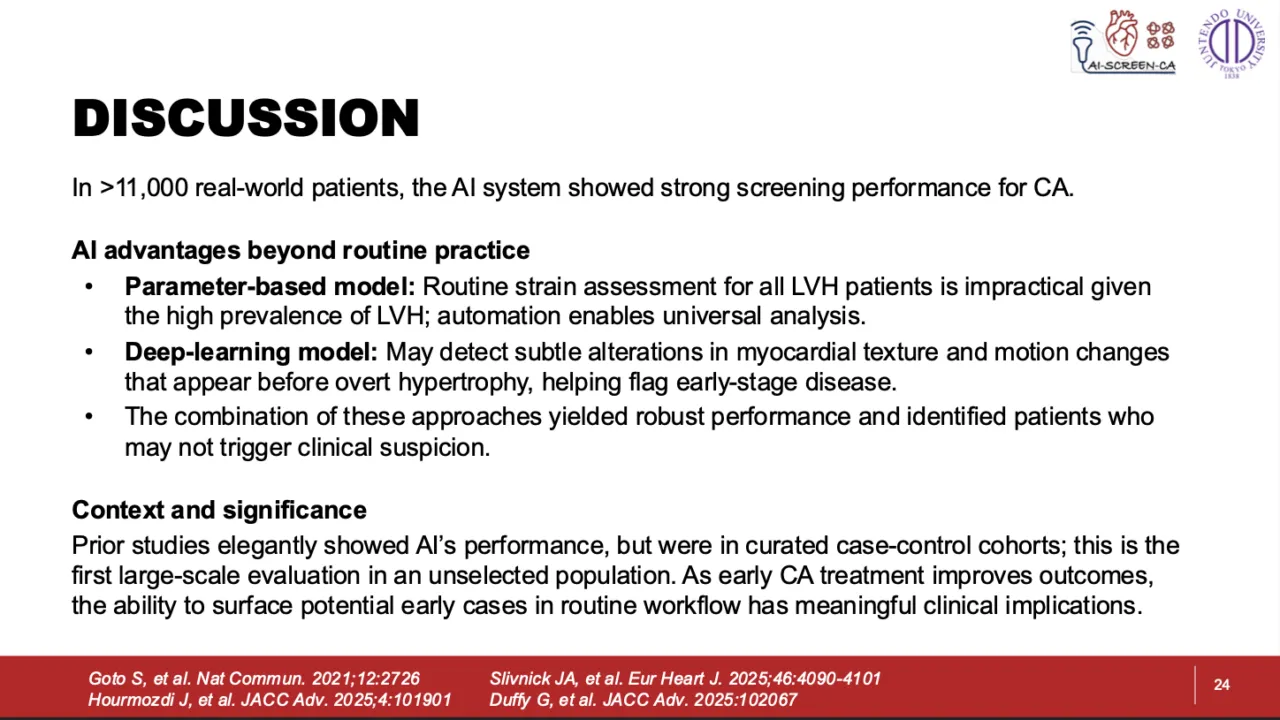
This is the first large-scale evaluation of AI-based CA screening in an unselected, real-world population.
By combining parameter-based precision and deep-learning sensitivity, the system can identify patients who may not have raised clinical suspicion, helping clinicians target advanced diagnostic testing earlier.
The study highlights the potential of AI to transform routine echocardiography into a proactive, scalable tool for early disease detection, supporting better outcomes for patients at risk of cardiac amyloidosis.
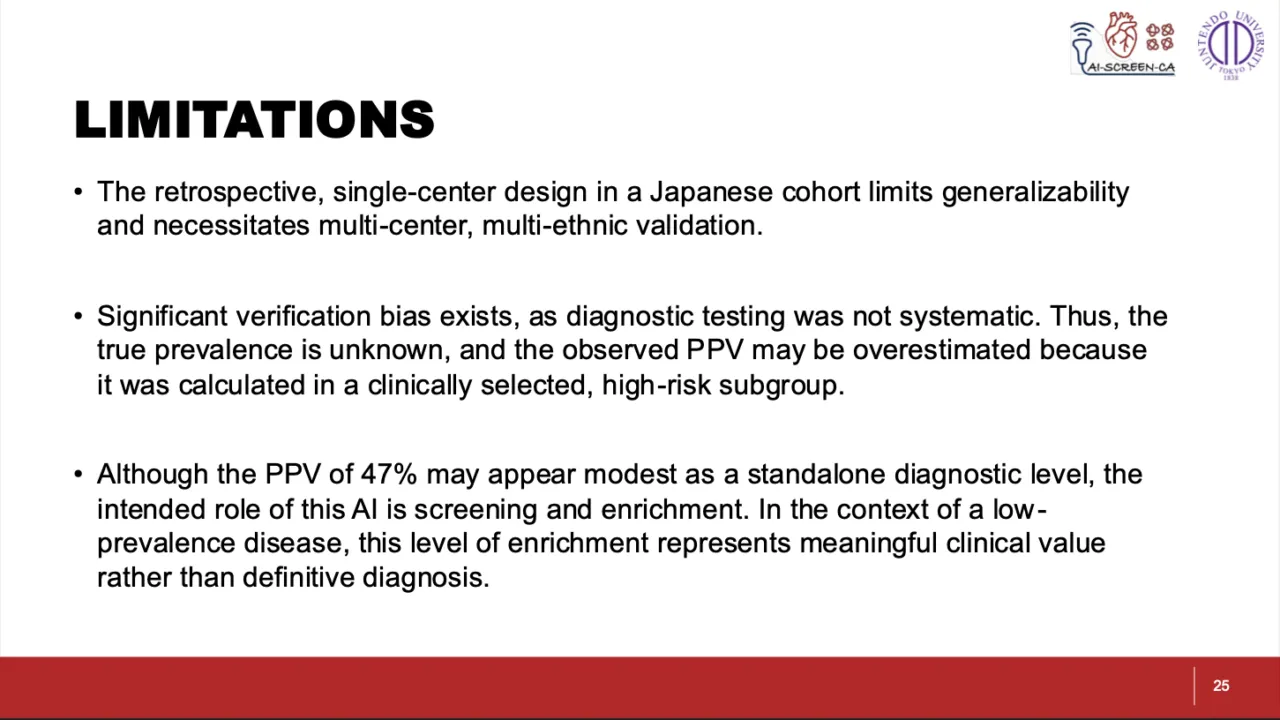
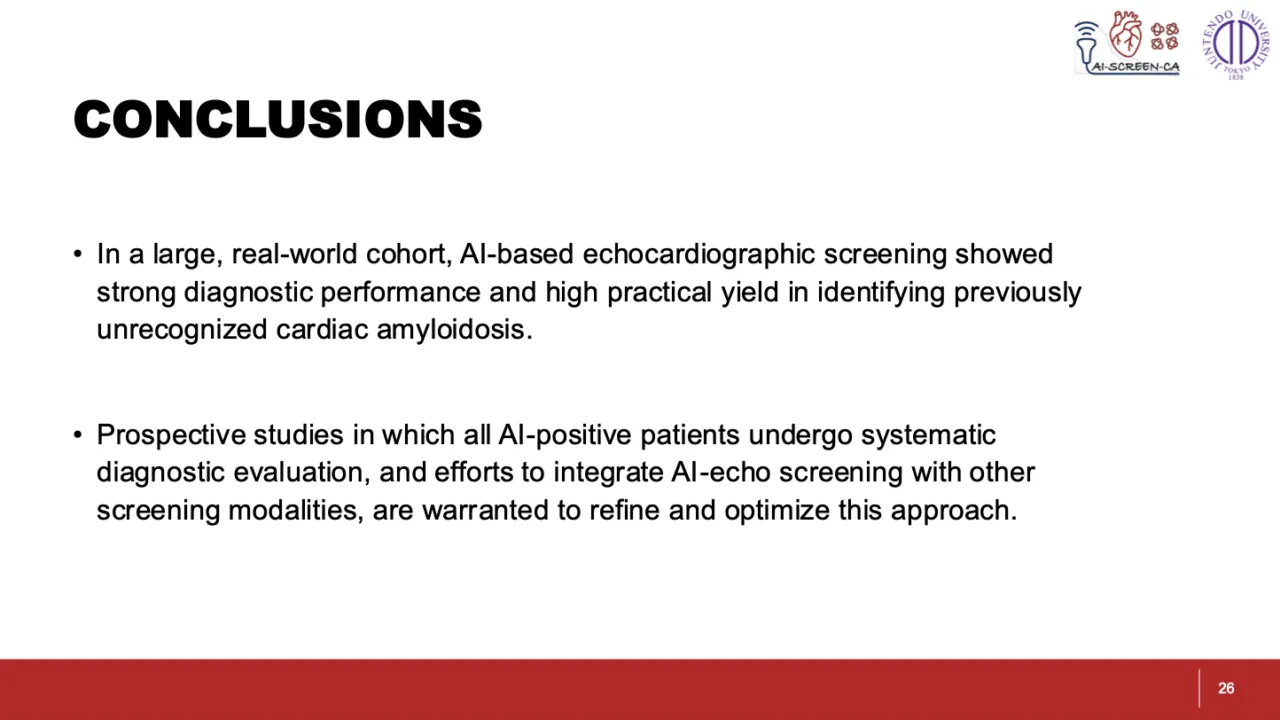
Limitations and Next Steps