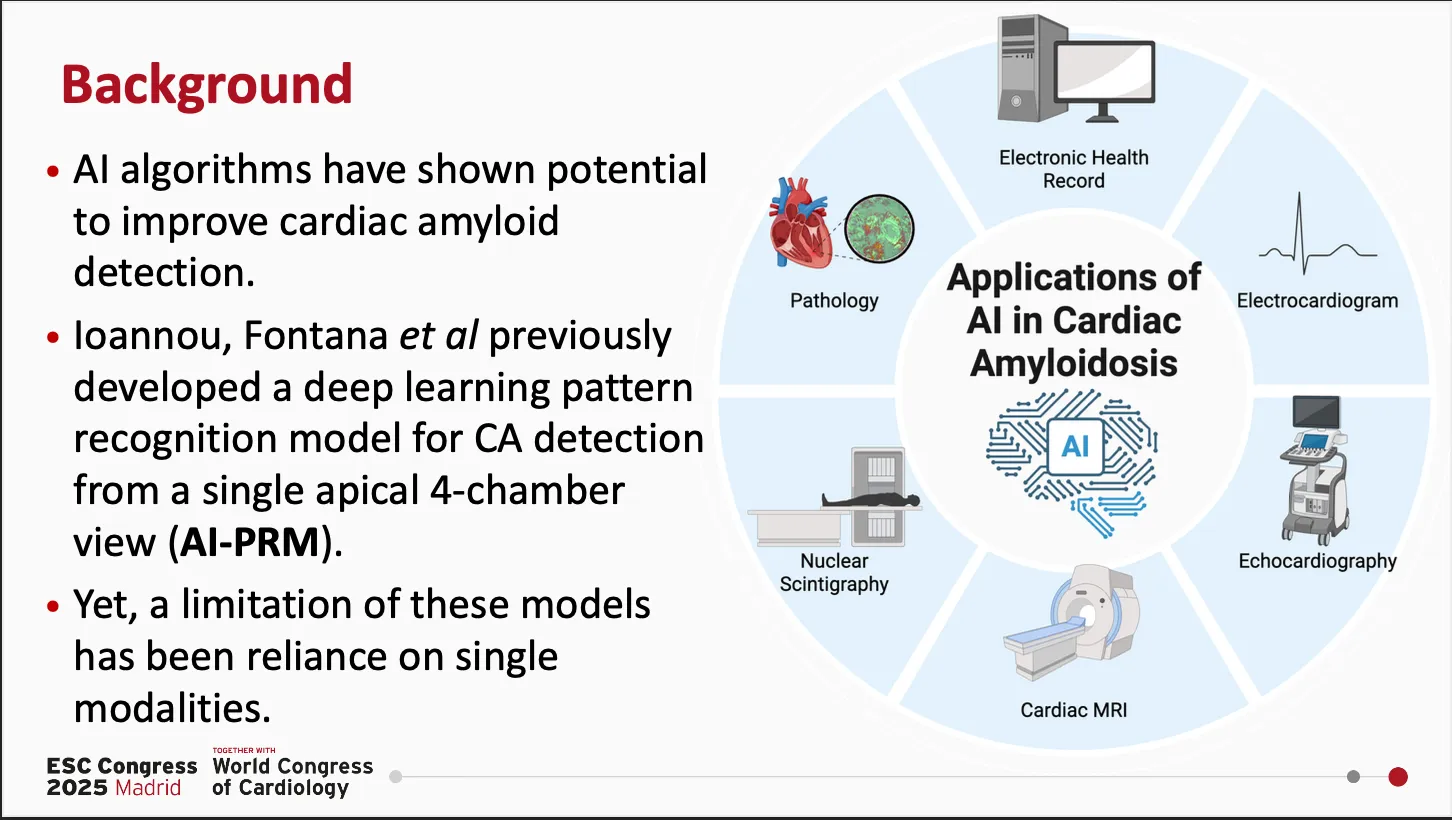
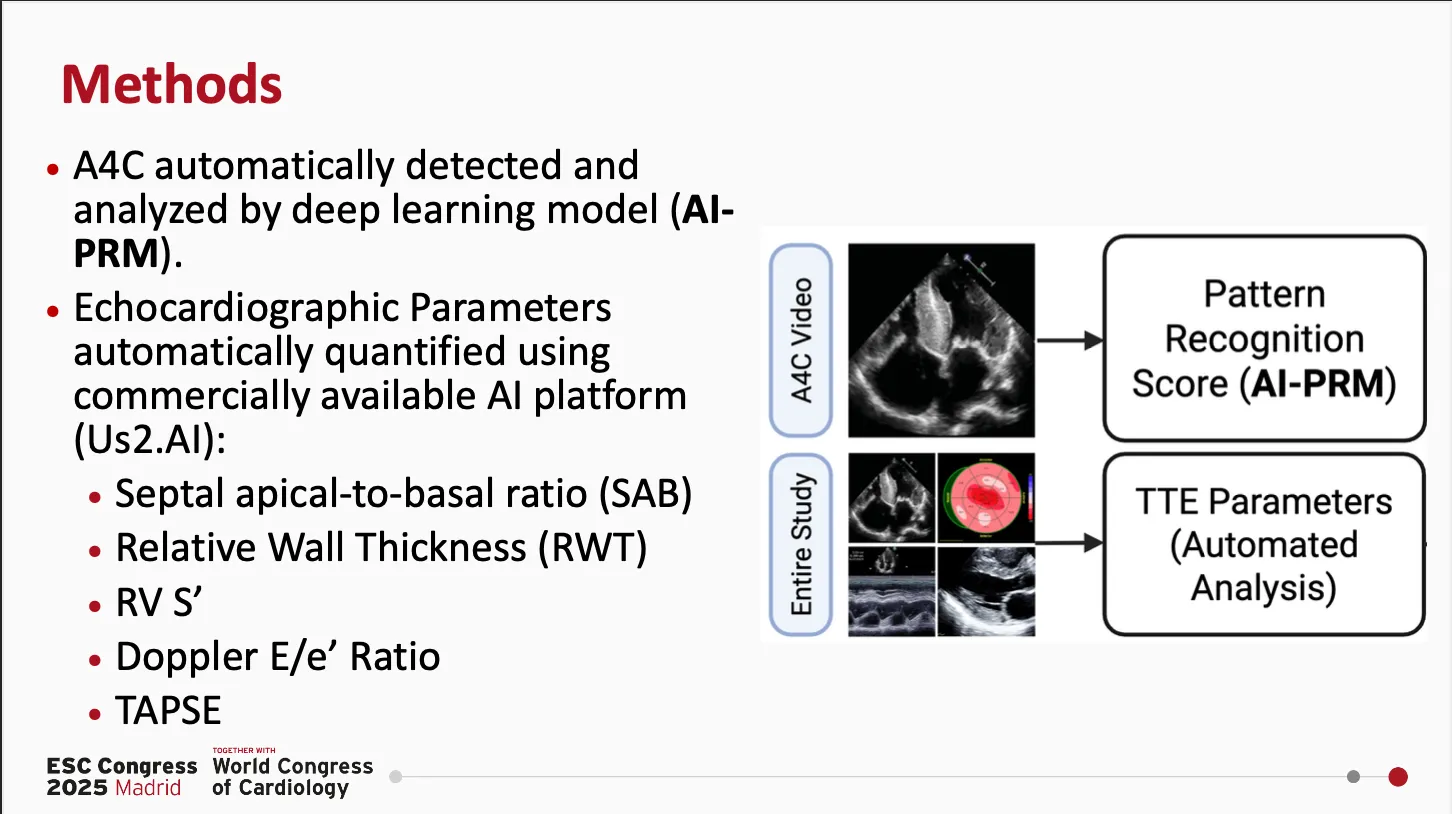
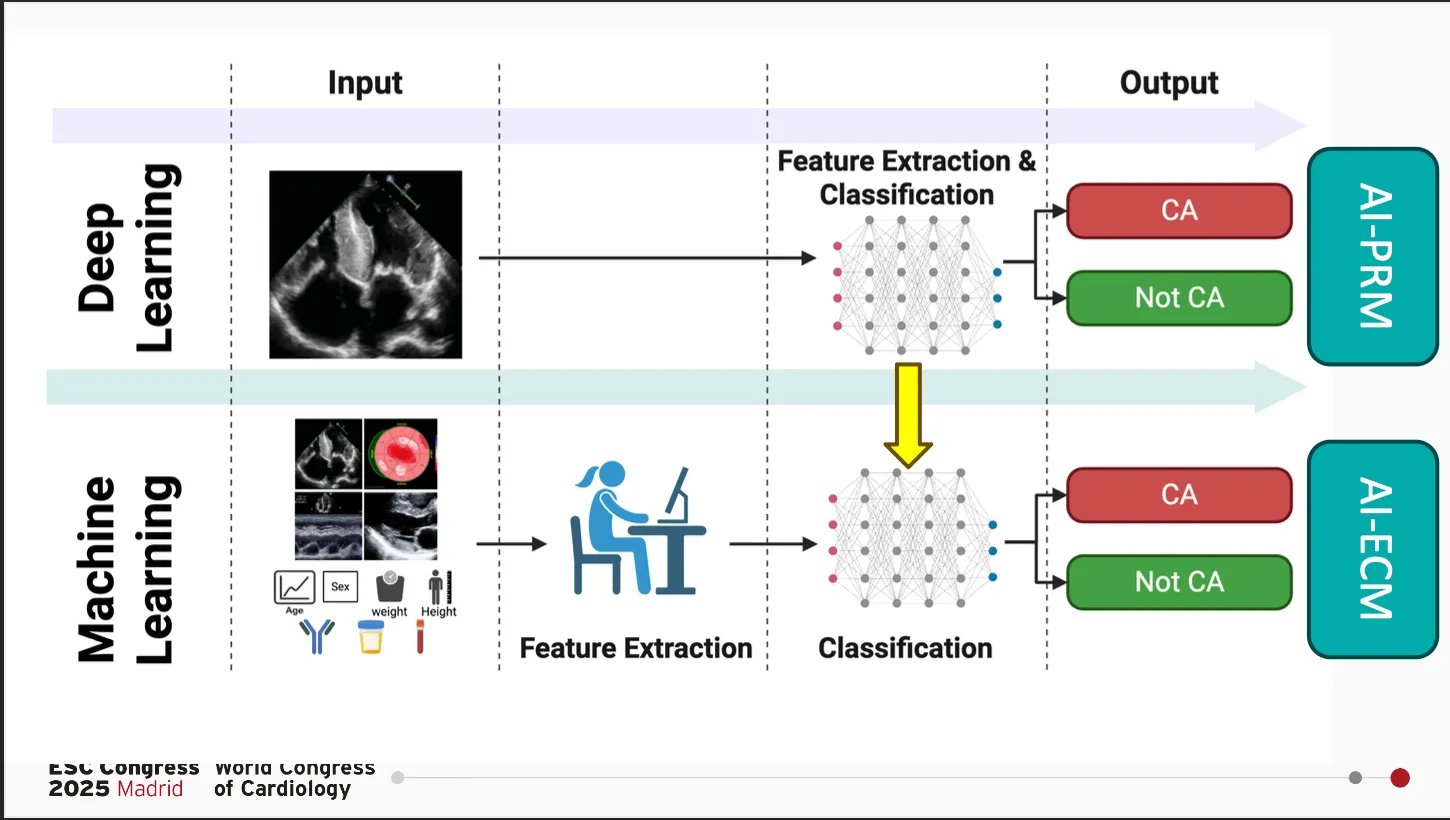
Artificial intelligence is reshaping the way cardiac amyloidosis is detected. A notable example is Us2.ai's pattern recognition model, which can identify the disease from a single apical 4‑chamber echo view (AI‑PRM in this study). While promising, such models have traditionally been limited by their reliance on a single imaging modality.
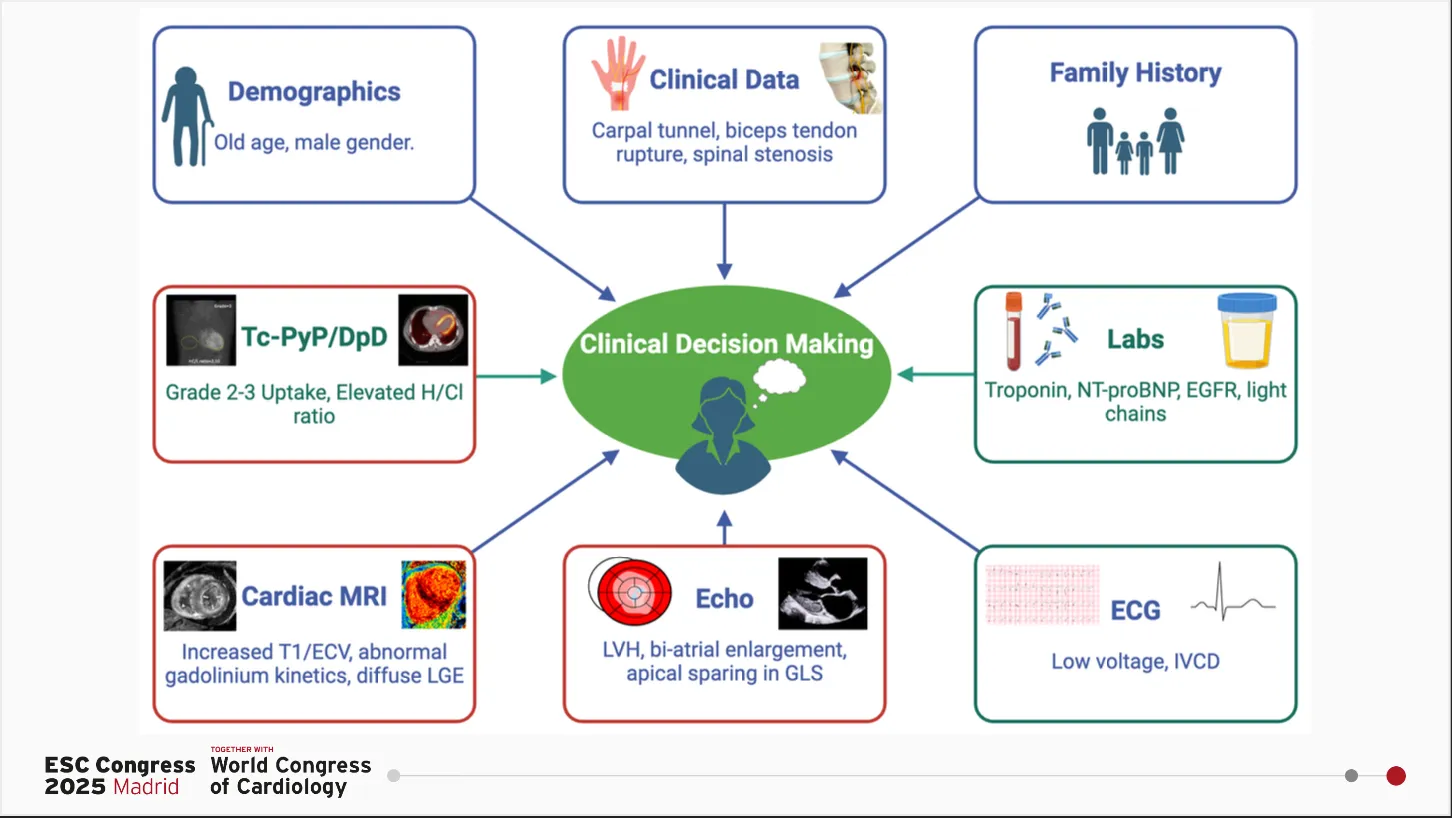
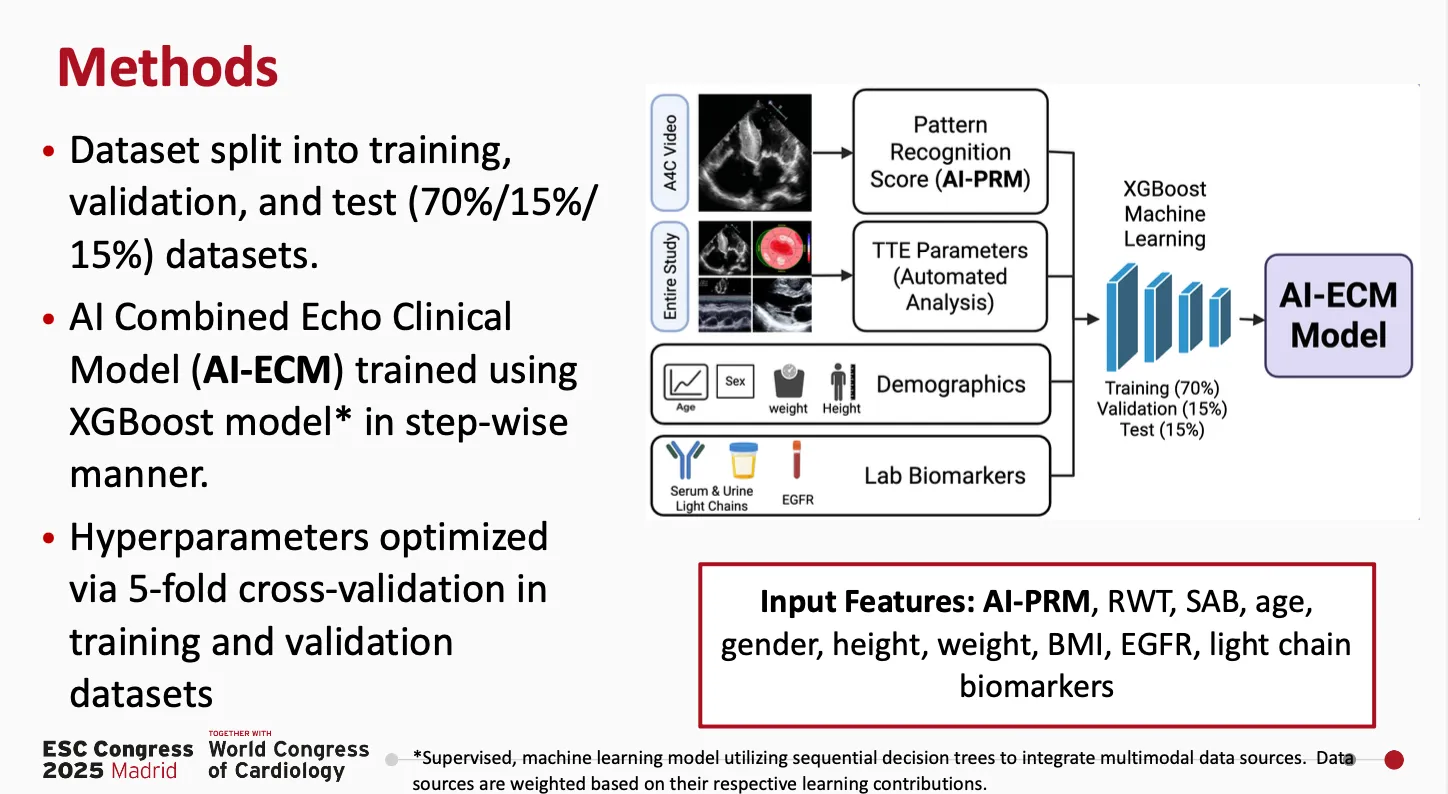
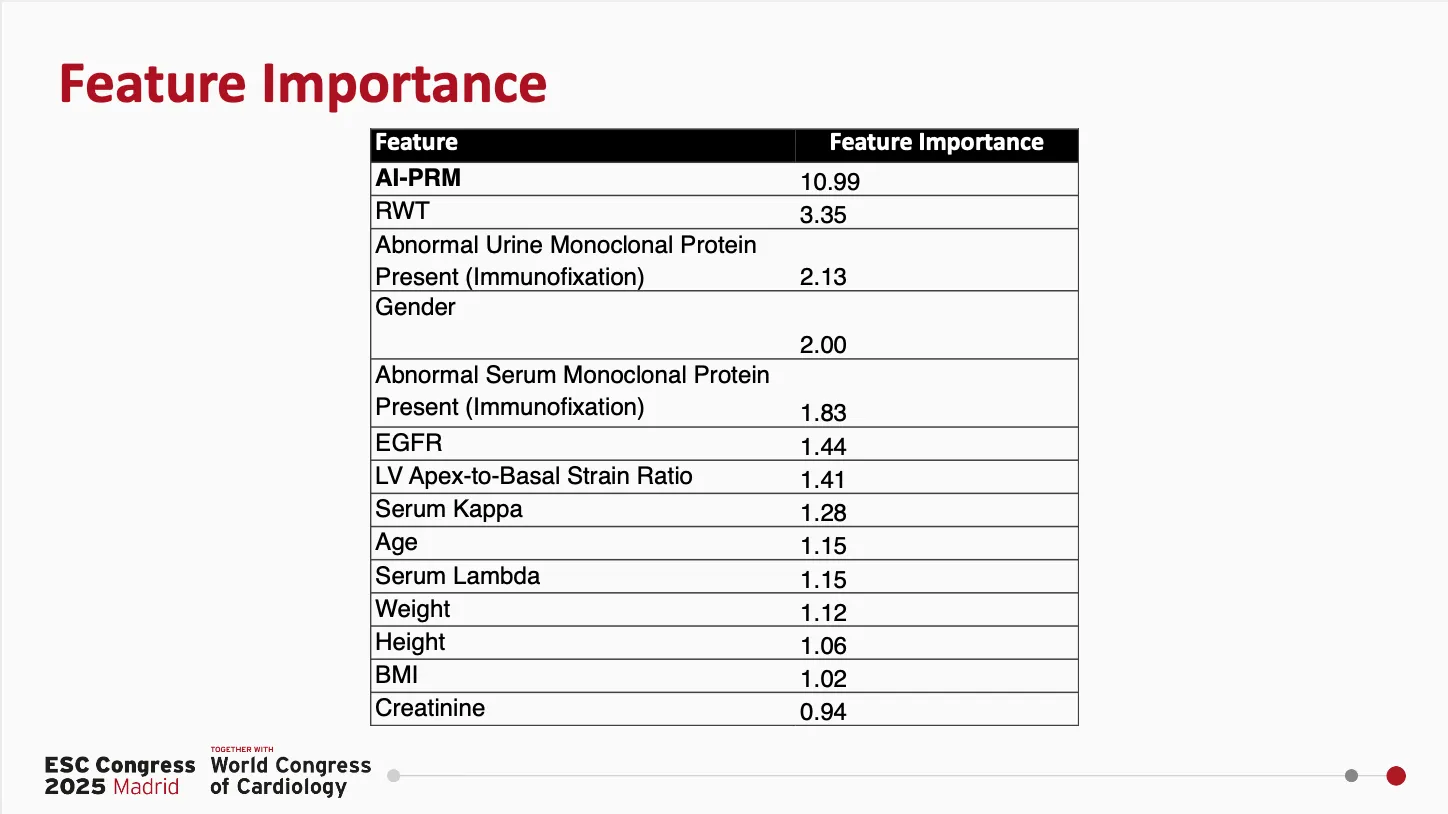
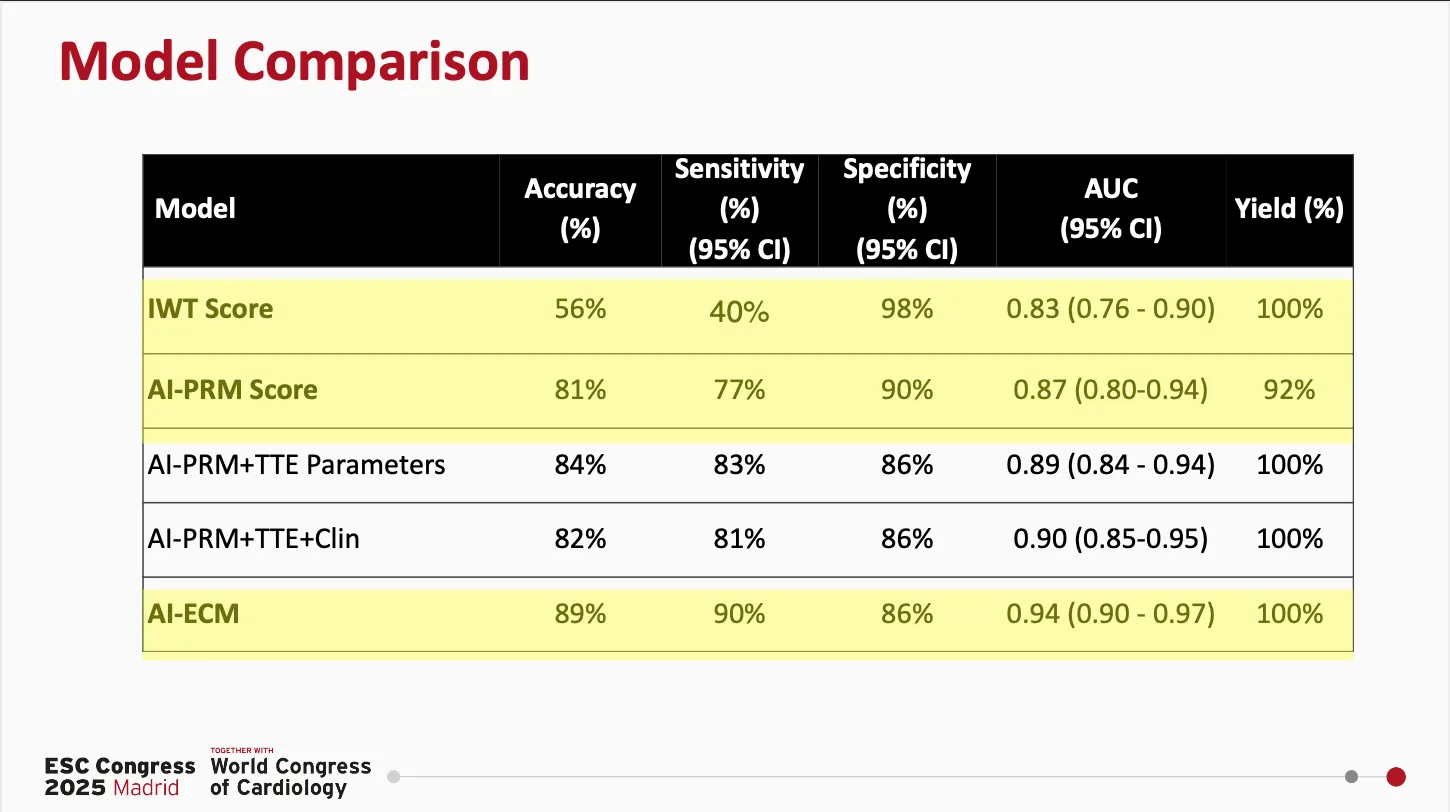
Presented at the Late-Breaking Clinical Science: Cardiovascular Imaging and Artificial Intelligence session at ESC Congress 2025, this study overcomes that limitation by combining Us2.ai's pattern recognition model with clinical and laboratory data (AI‑ECM in this study), to enhance diagnostic accuracy for cardiac amyloidosis.
Key Findings
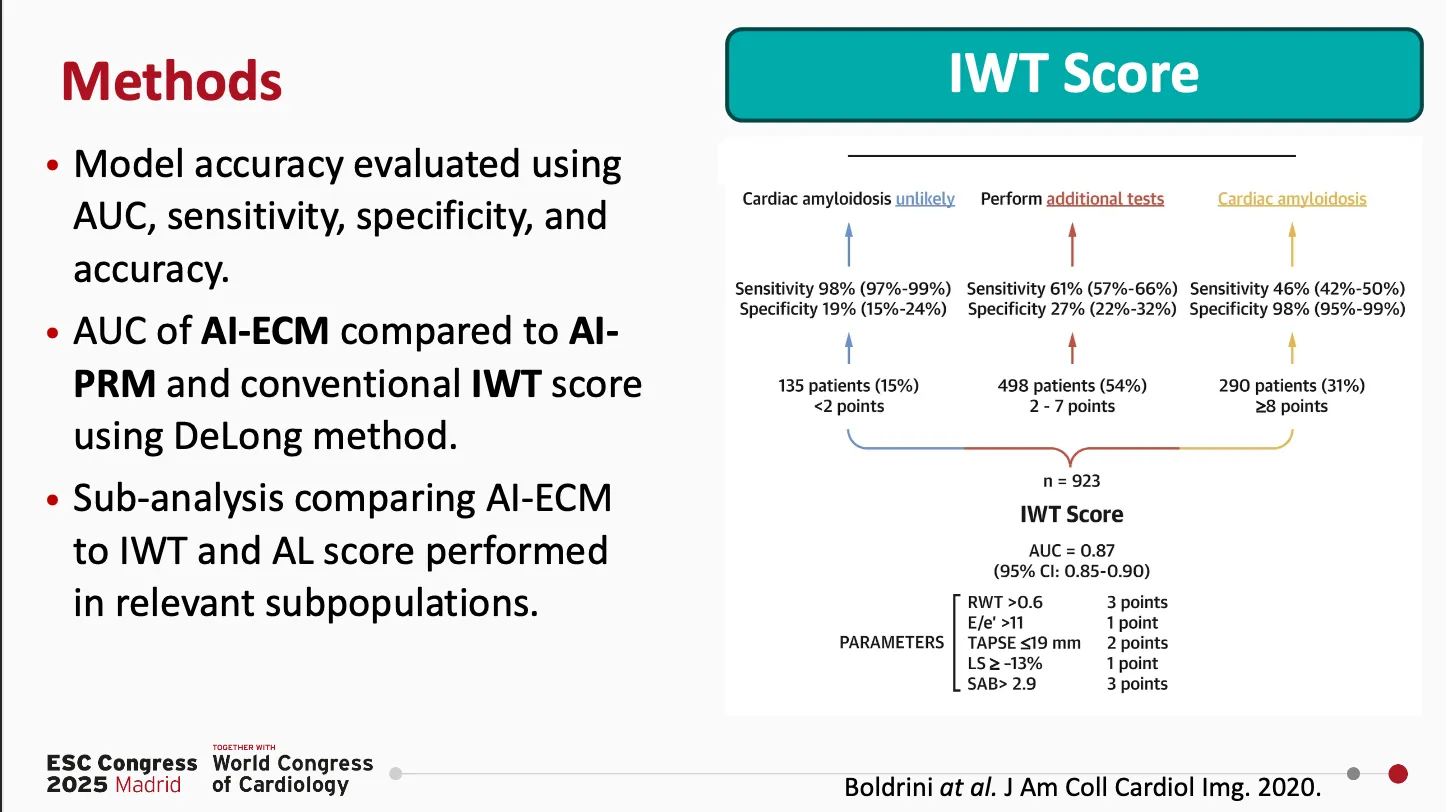
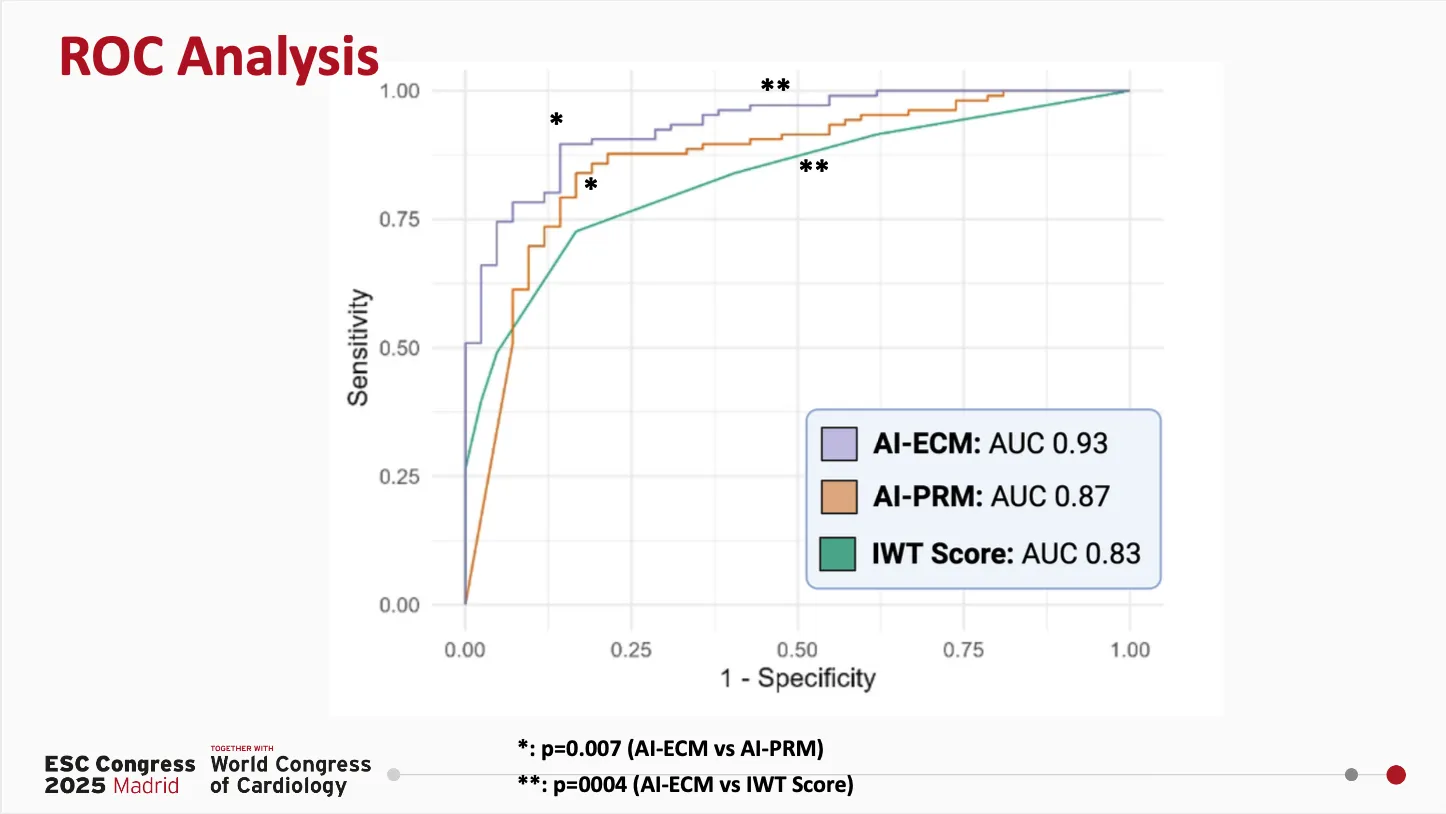
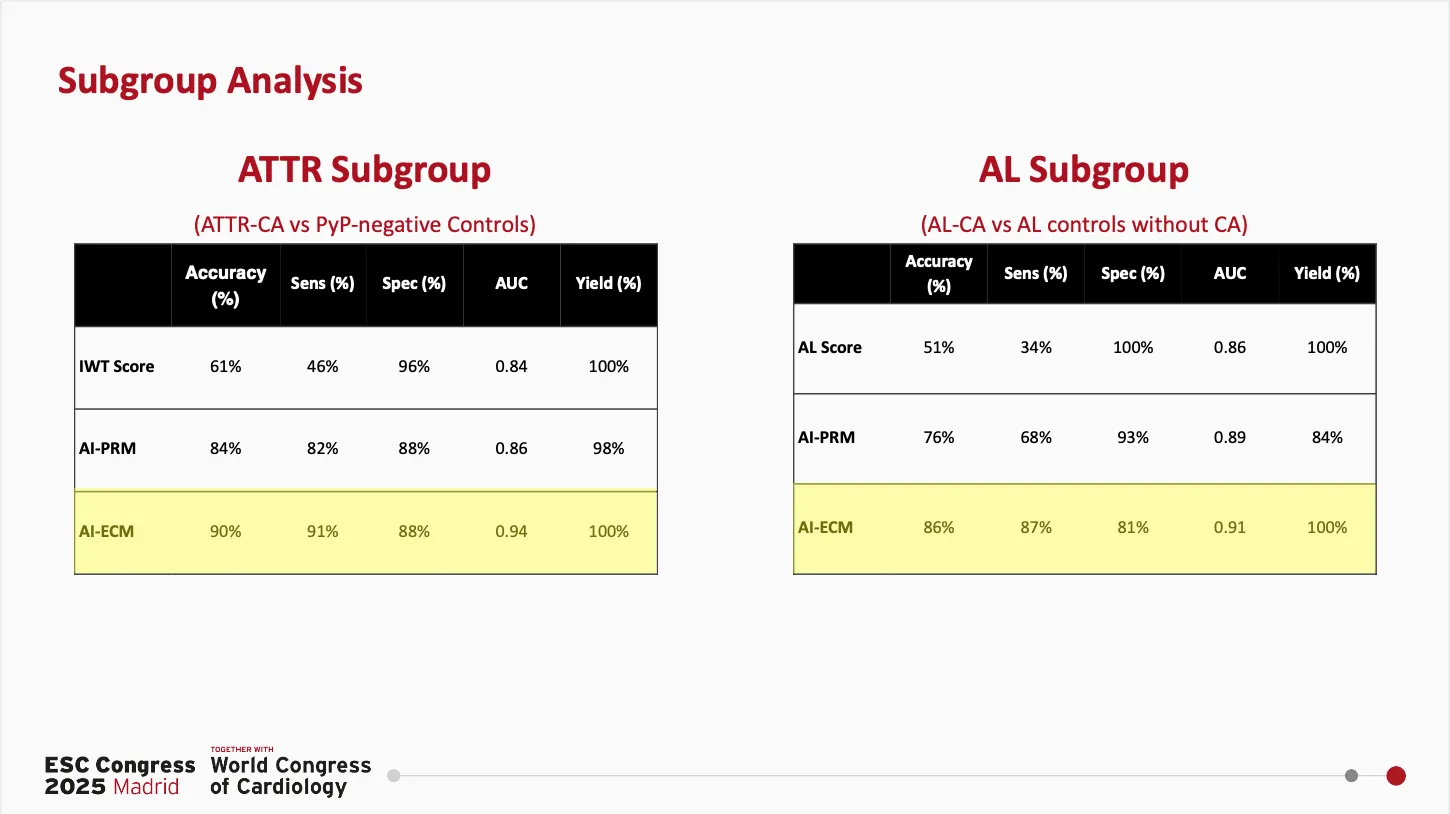
- Enhanced Performance: AI‑ECM outperformed both AI‑PRM and IWT scores for cardiac amyloidosis detection.
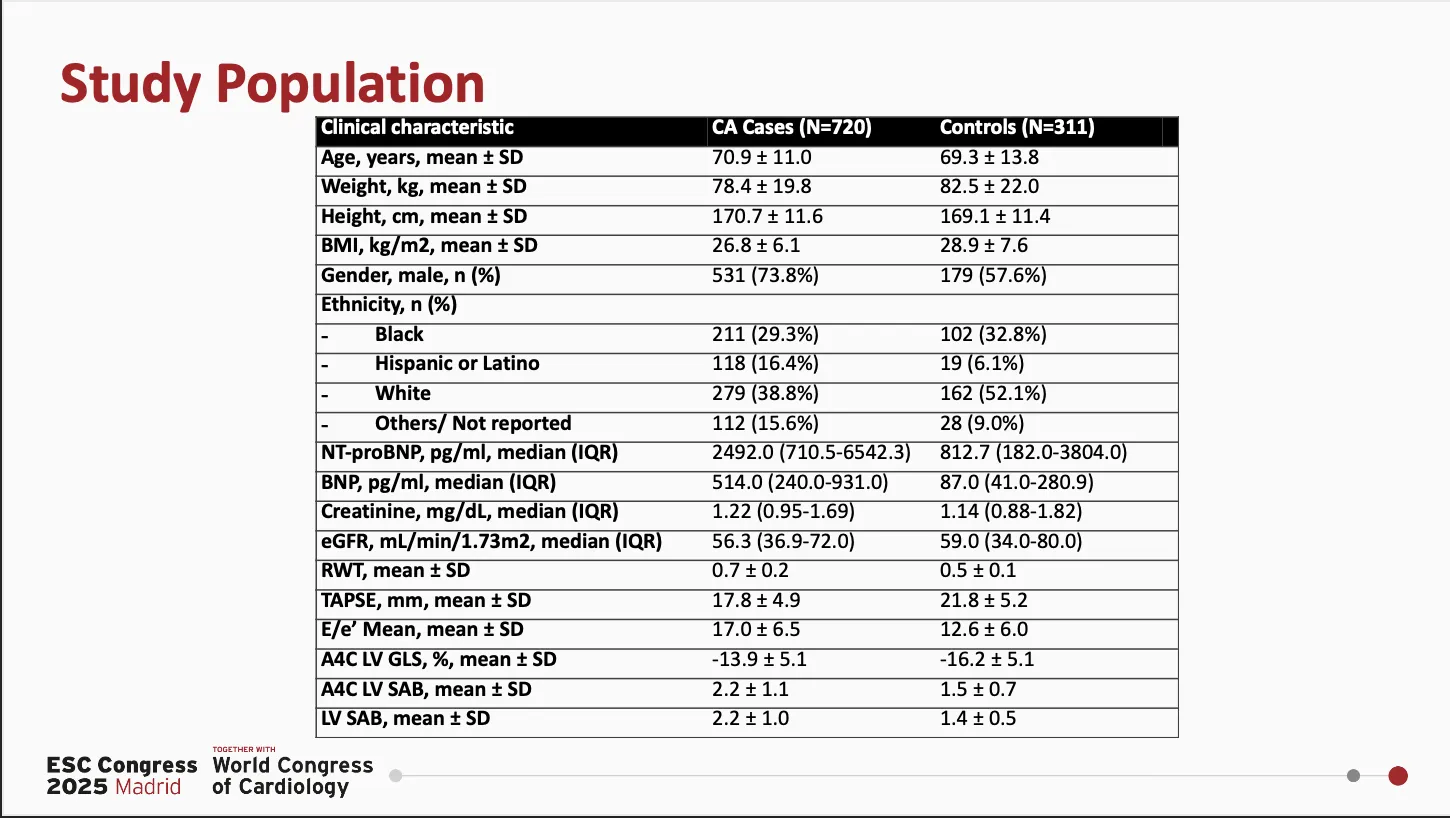
- Large, Diverse Dataset: Evaluated across a multi-ethnic international cohort.
- No Indeterminate Classifications: The model provided clear diagnostic outputs.
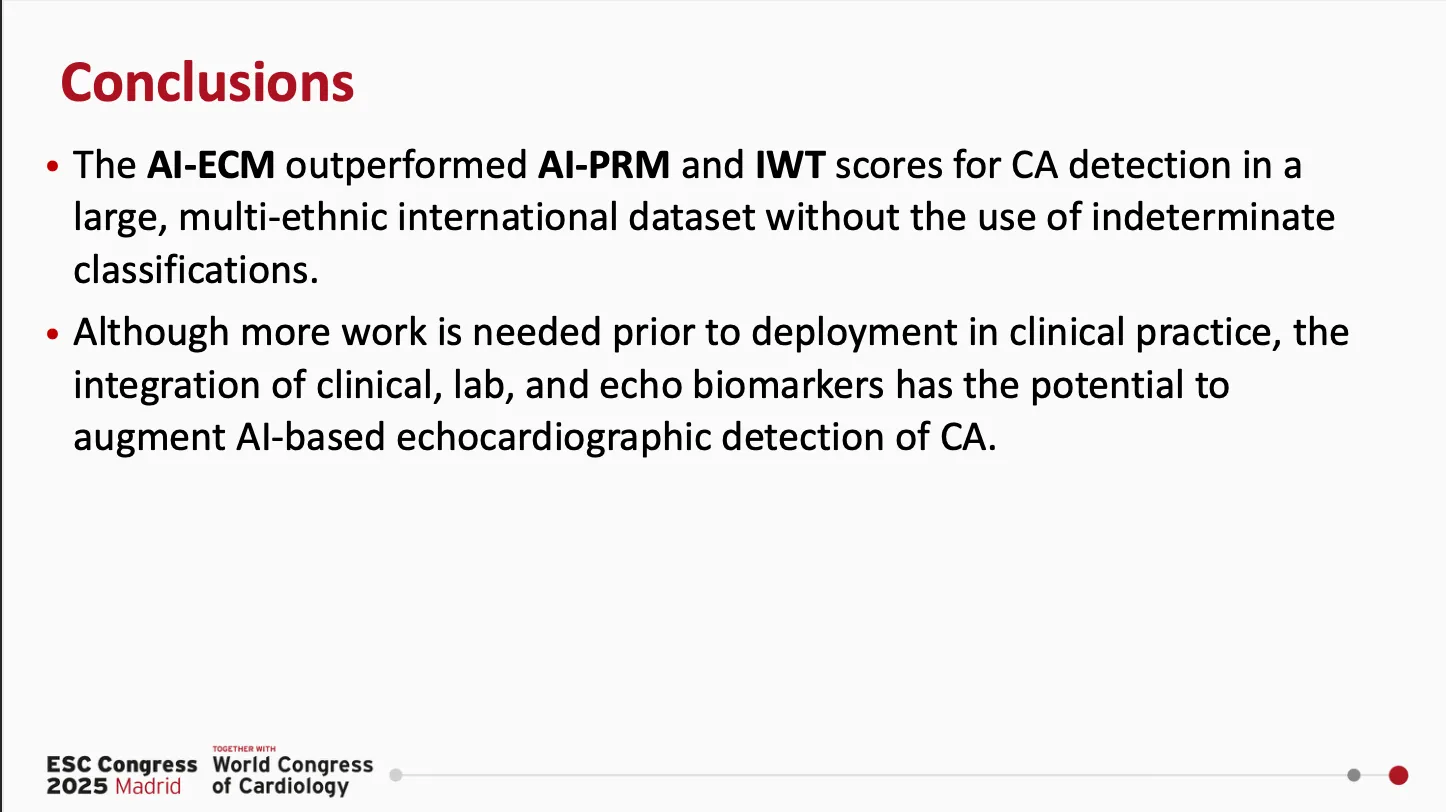
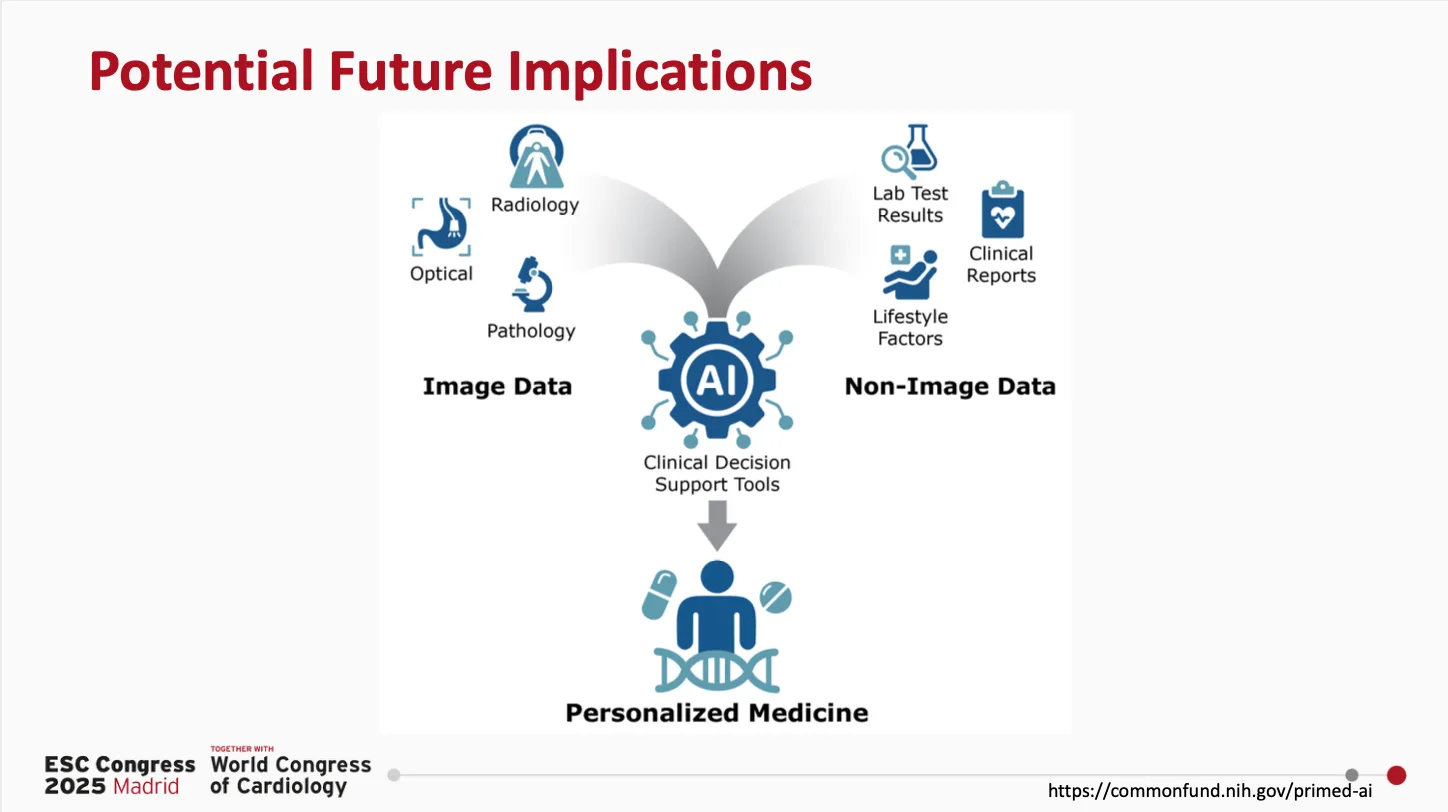
- Clinical Implications: While further validation is needed, integrating echo, lab, and clinical data offers a powerful approach for AI-driven detection.
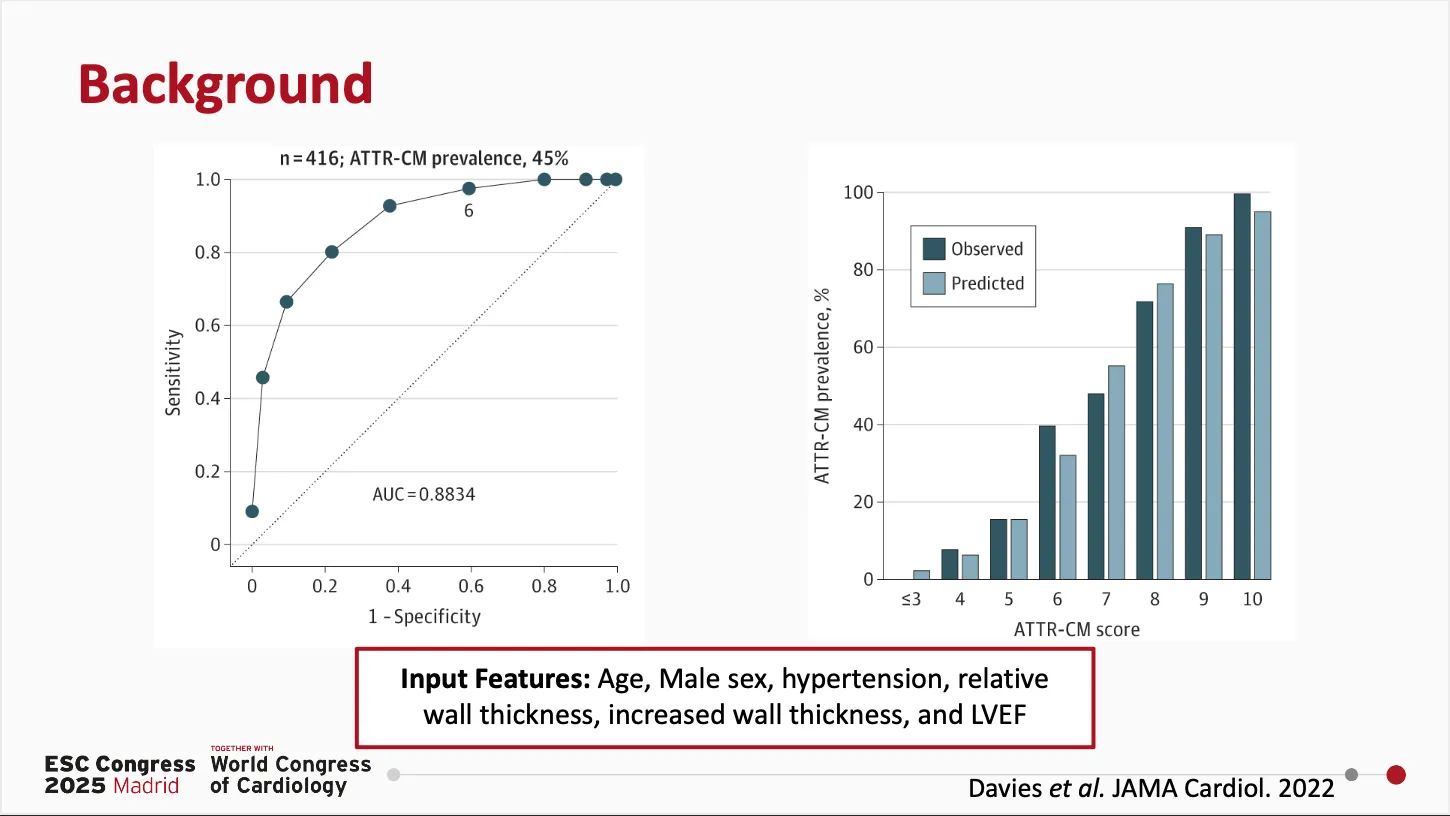
Background
Methods
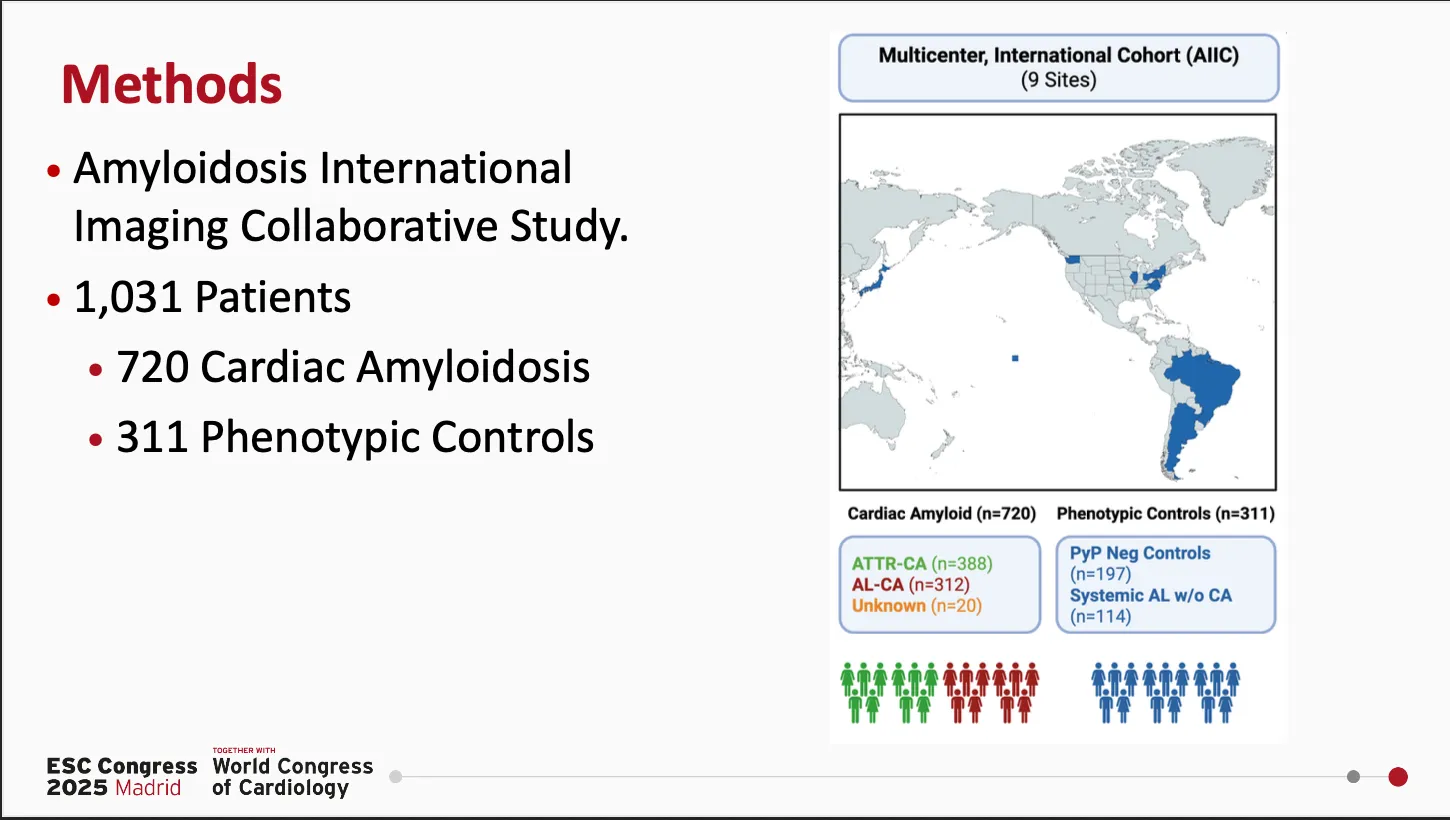
Study Population
Results
Conclusion and Future Implications