Article | SEP 17, 2025

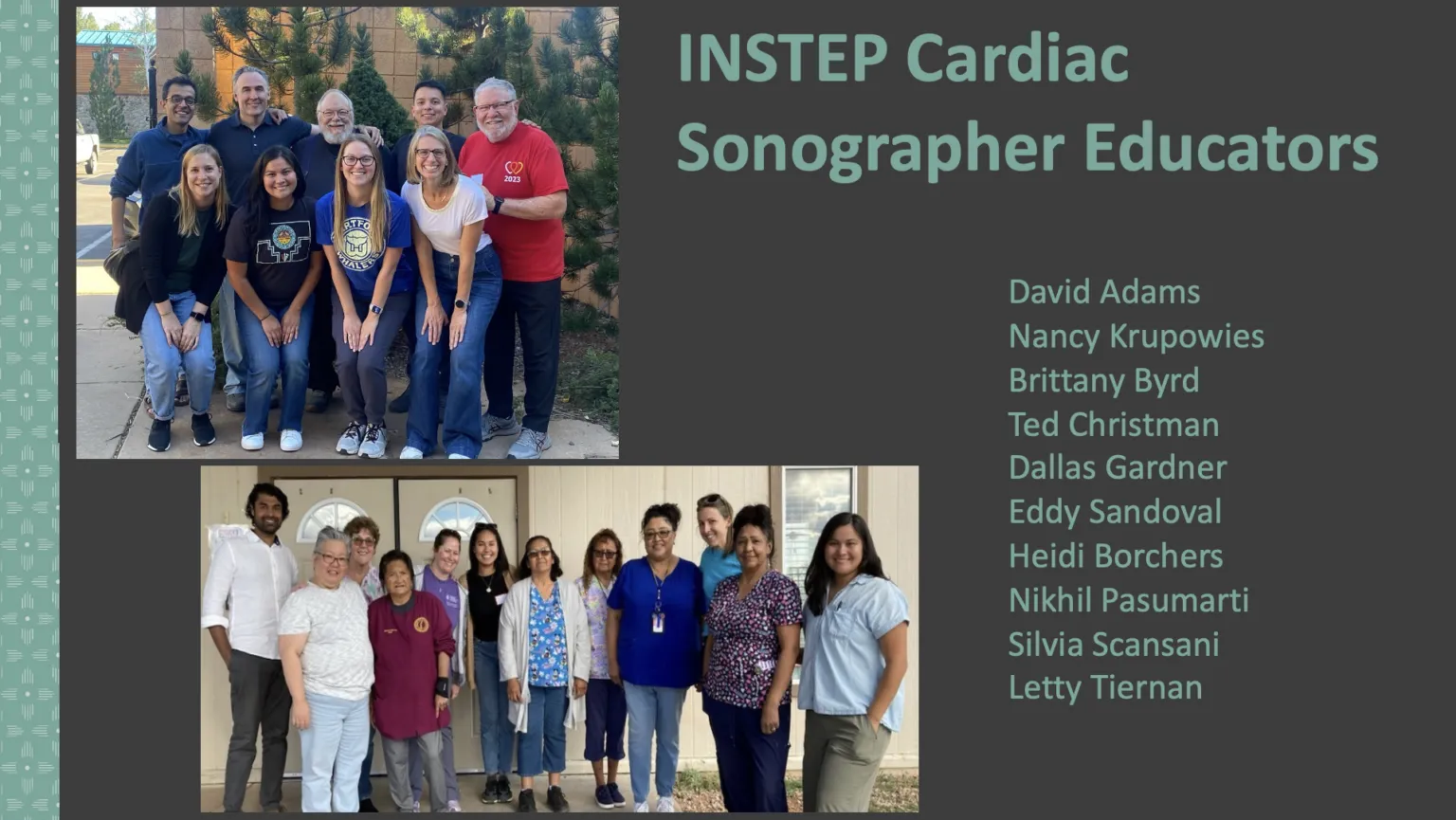
Cardiovascular disease is the leading cause of death in American Indian populations, occurring more often and at younger ages than in the general U.S. population. The true burden of structural heart disease (SHD) in these communities may be significantly underestimated.
Presented at ASE 2025, this study highlights how investigators partnered with tribal members to co-develop a culturally informed heart health program aimed at improving access to SHD care. The goal is to create a scalable model for other tribal nations and rural communities where barriers to diagnosis and care remain high.
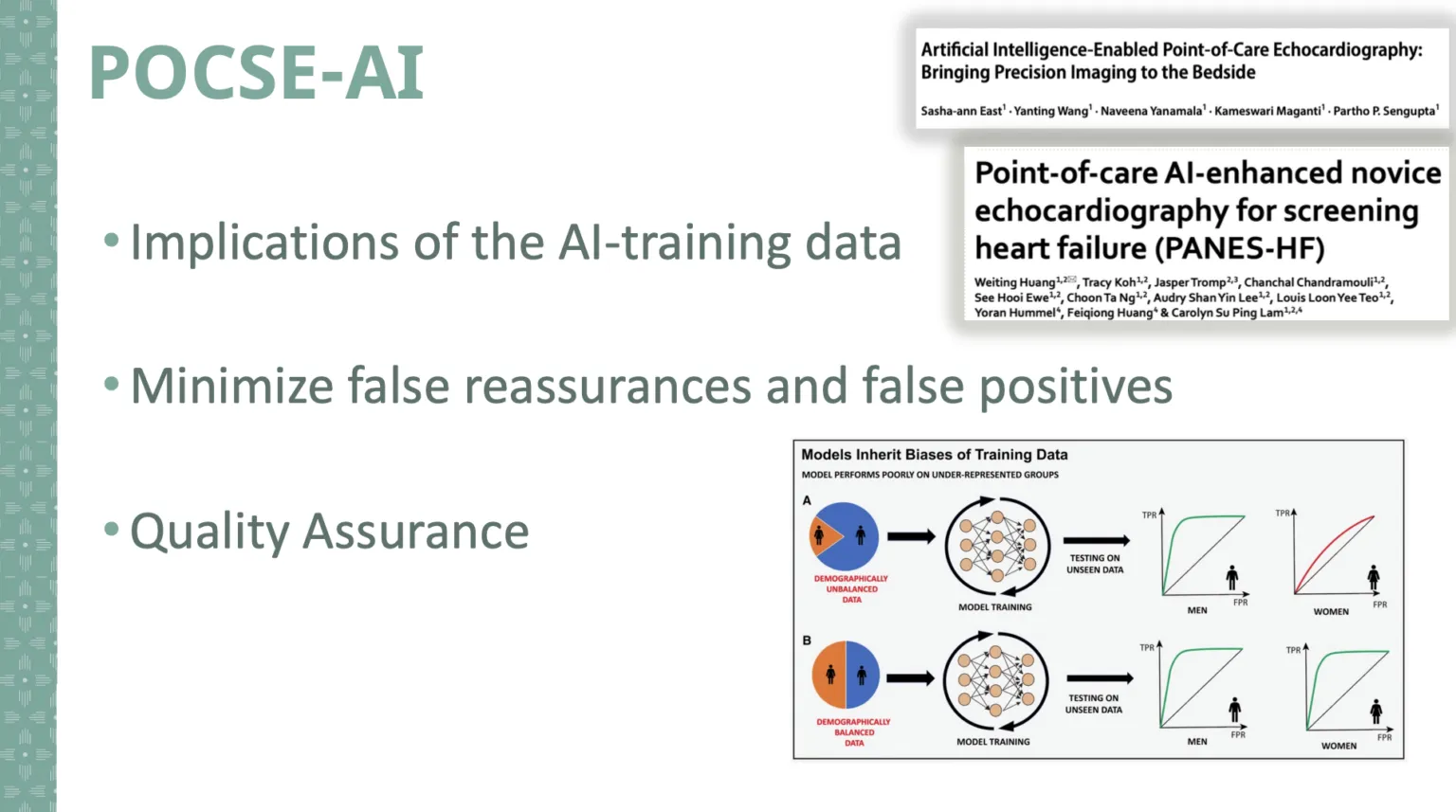
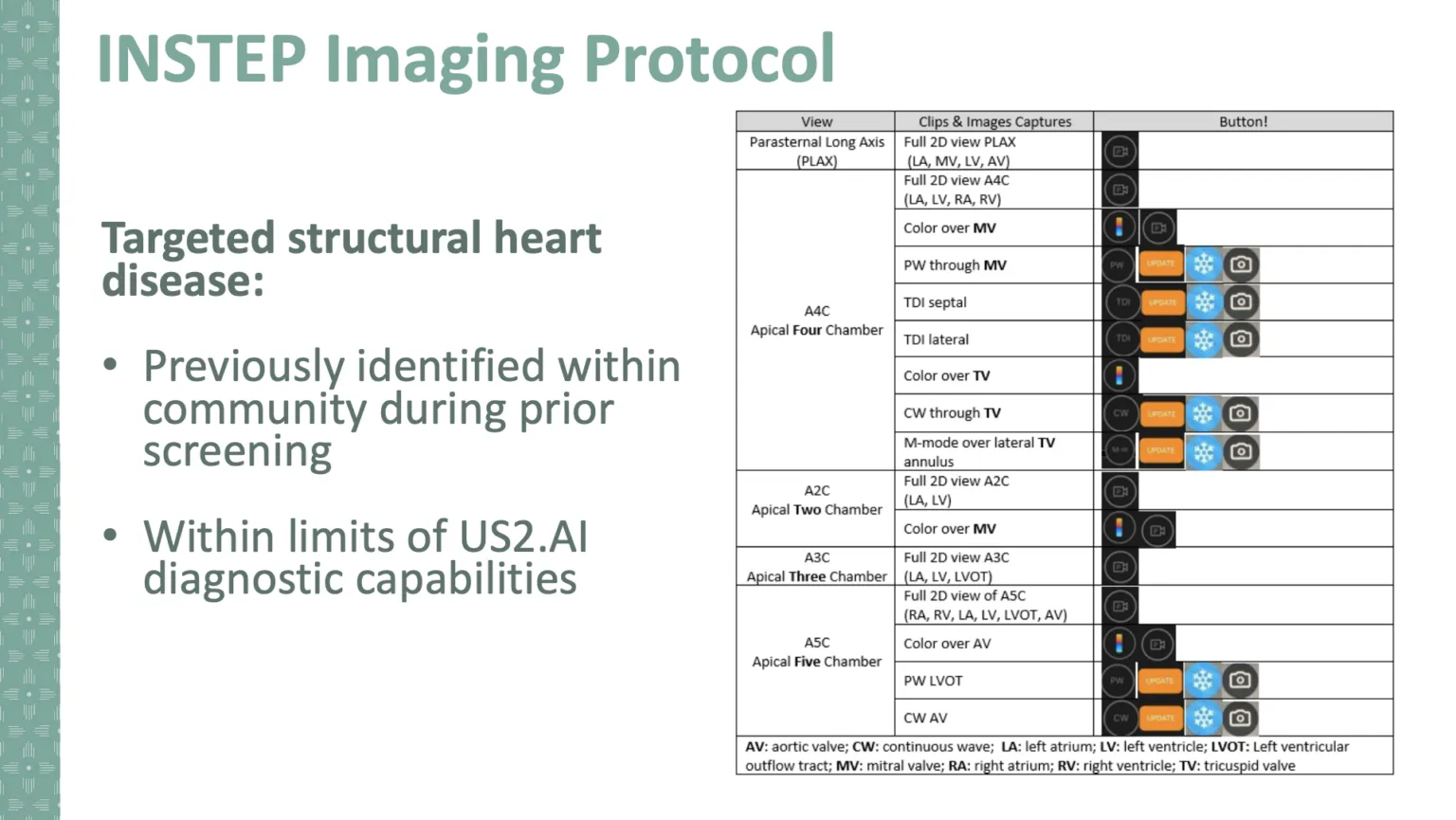
A key innovation was the use of point-of-care screening echocardiography with AI-assisted interpretation (POCSE-AI), supported by a 14-image protocol and tailored training program for community health representatives. Training included online modules, a two-day hands-on workshop, and six months of mentored practice at community-based screening events.
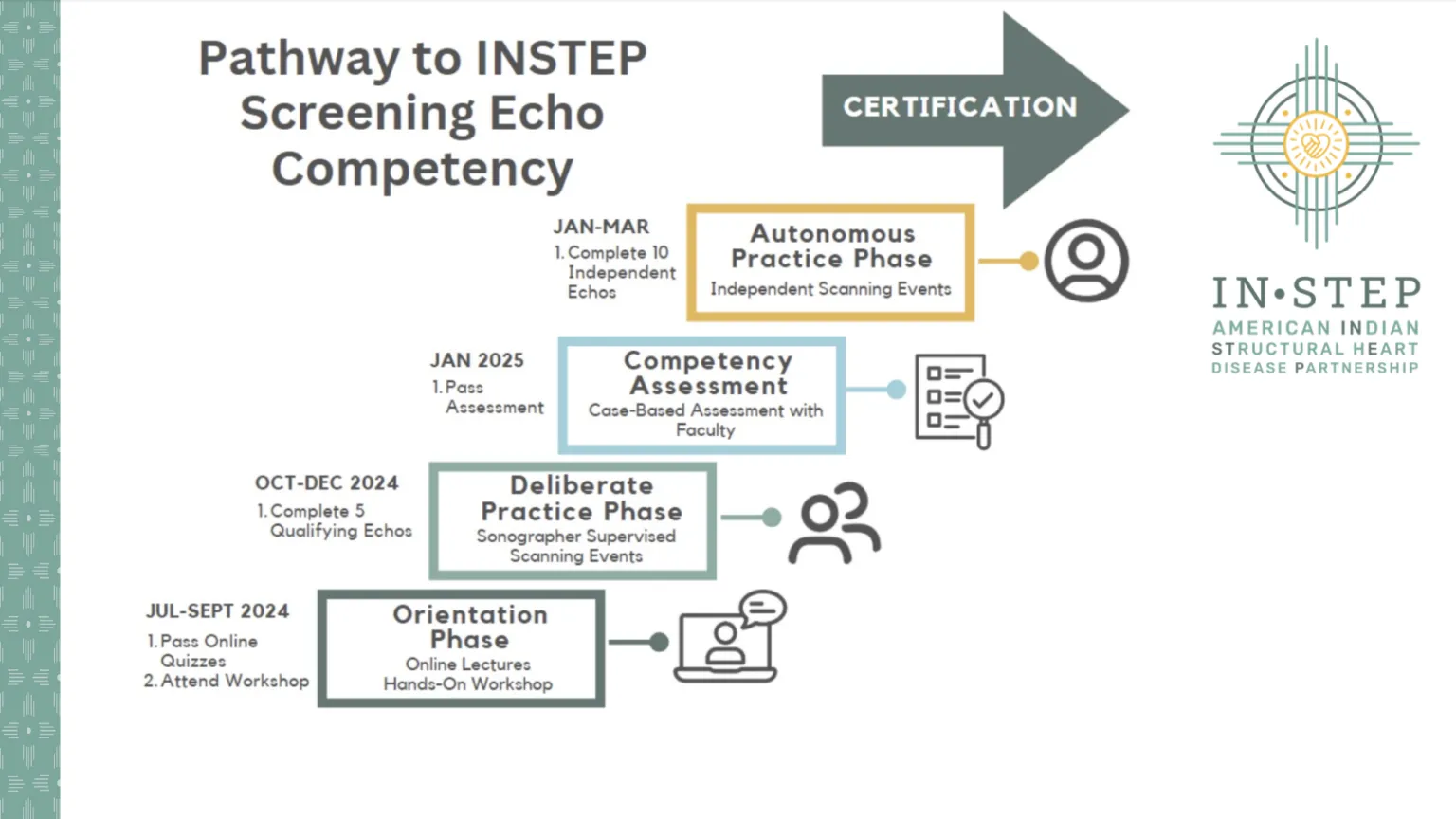
CHRs advanced through the program by completing targeted competency assessments, including multiple-choice tests and evaluation of image acquisition and diagnostic quality. Final certification required passing a professional skills exam using a simulated patient encounter and submitting five qualifying studies.
Key Findings
- Investigators partnered with tribal members to co-design a culturally informed heart health screening programme using a 14-image handheld echo protocol, addressing historical barriers to healthcare engagement in American Indian communities.
- Community health representatives (CHRs) completed a training pathway including online modules, a 2-day hands-on workshop, and 6 months of mentored practice, with final certification requiring a professional skills exam and submission of 5 qualifying studies.
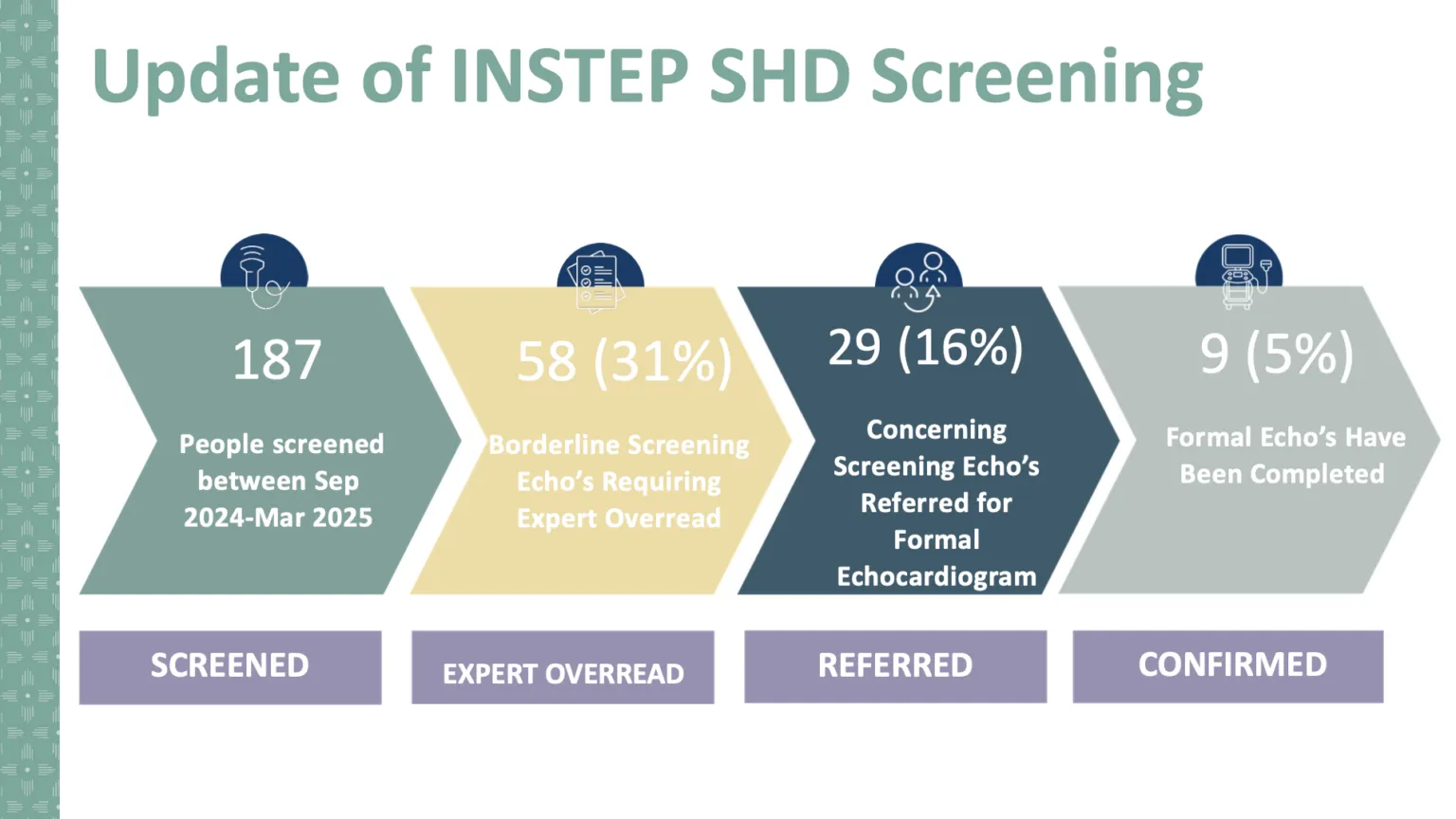
- AI-assisted point-of-care echocardiography enabled detection of previously undiagnosed structural heart disease in a population where cardiovascular disease burden is high but specialist access is limited.
- The programme offers a scalable model for community-driven cardiac care that could be replicated across other tribal nations and rural underserved populations facing similar access challenges.
This work represents an important first step toward sustainable, community-driven cardiac care models that can improve detection, treatment, and outcomes in underserved populations.